Logis Cote Loire - Auberge Ligerienne
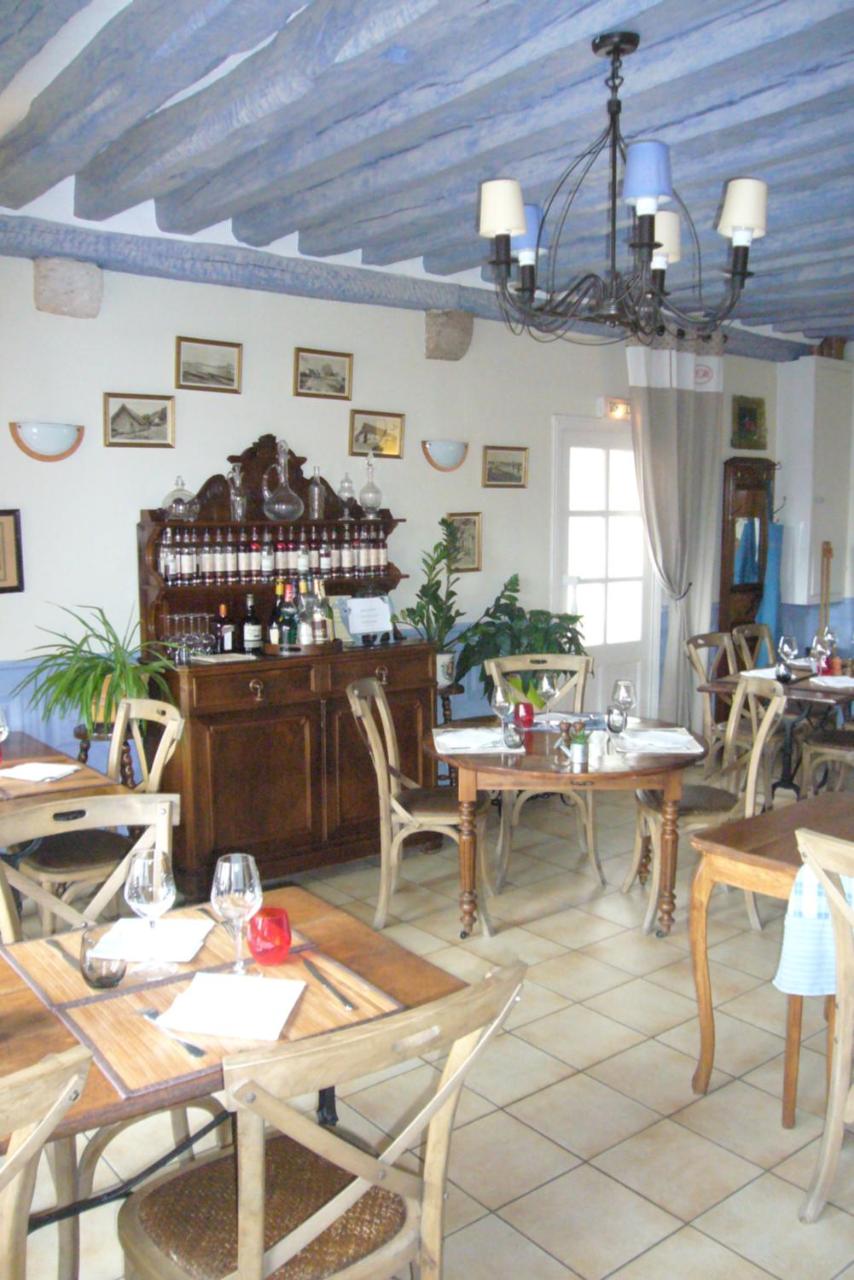
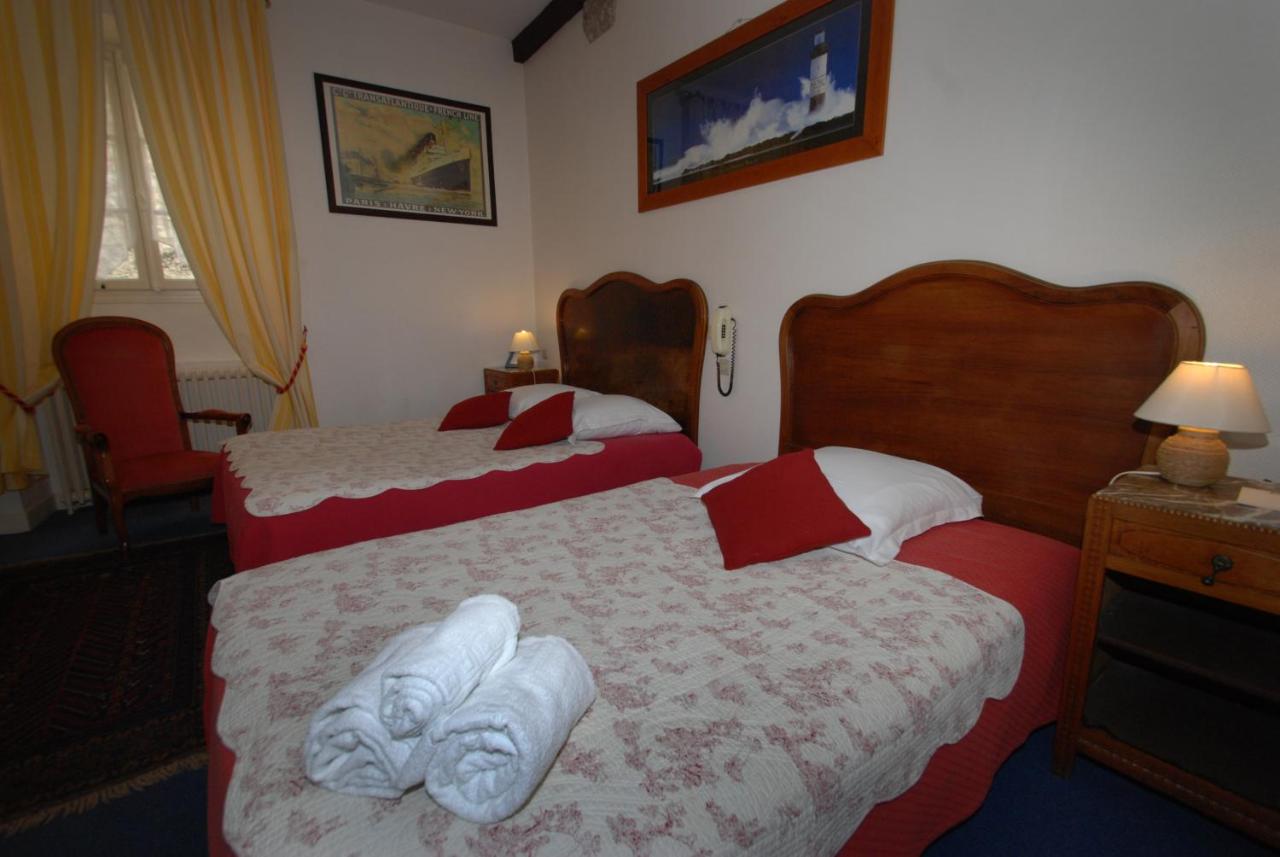
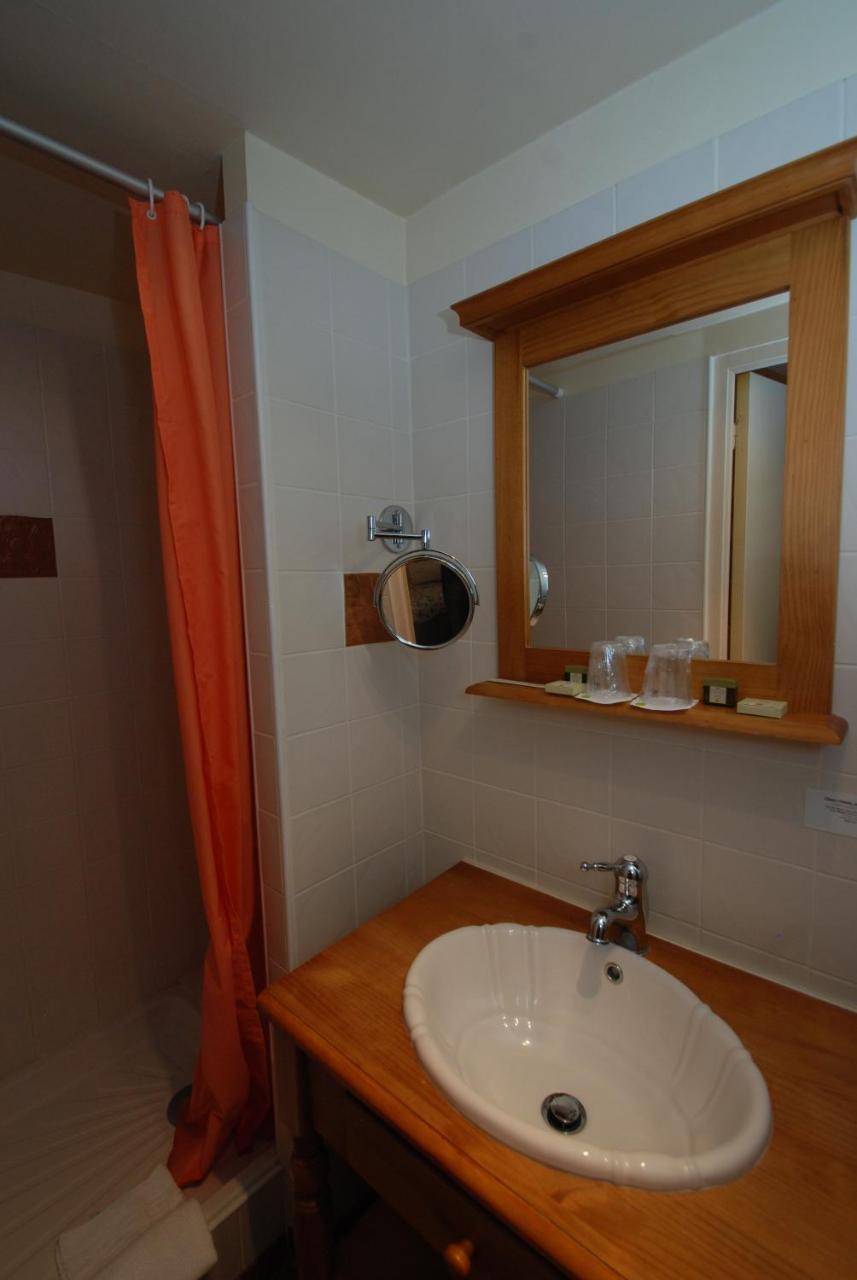
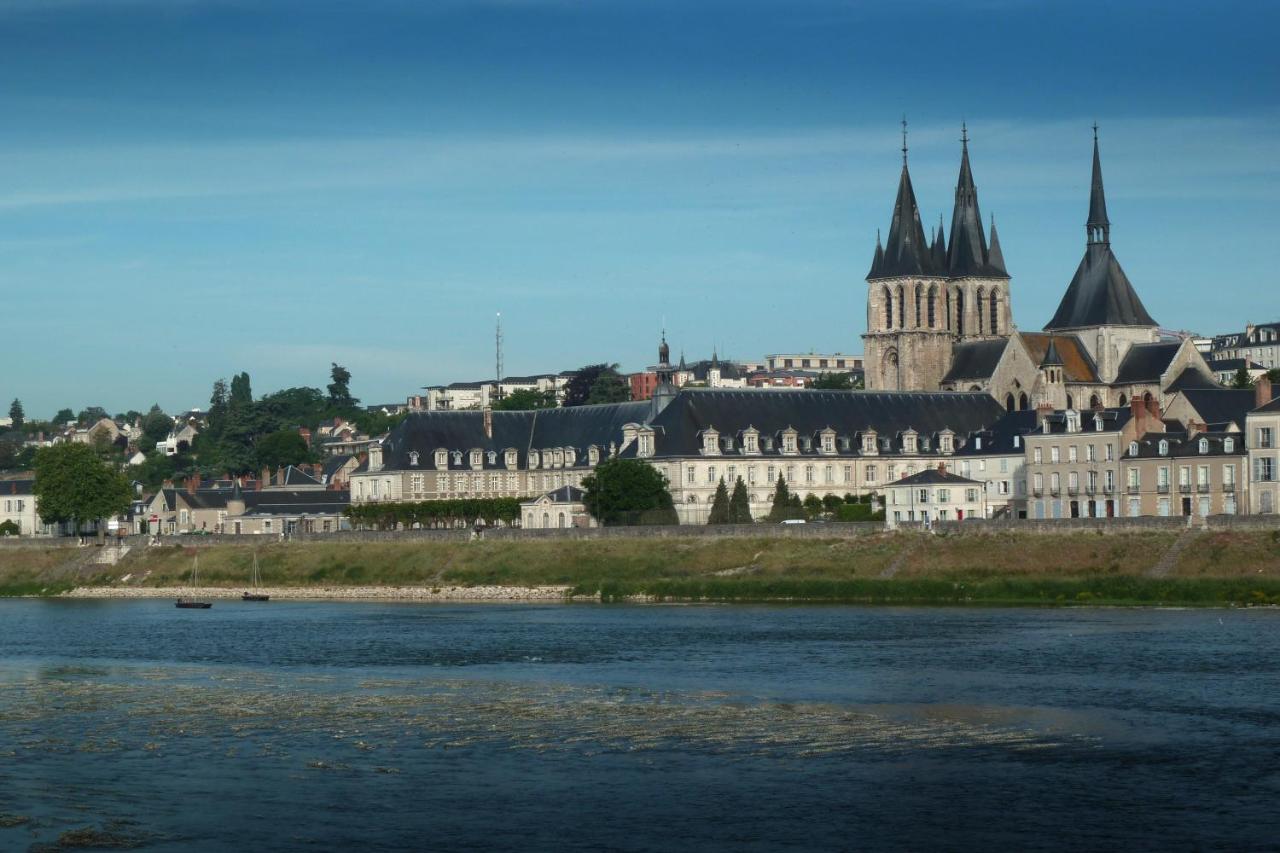
300 m from Blois Castle, Logis Cote Loire - Auberge Ligerienne is located in Blois and has a garden and free WiFi. Built in 17th century, the property is within a 9-minute walk of Cathedral of St. Louis of Blois. French cuisine is served at the restaurant. All units in the hotel are equipped with a flat-screen TV. All rooms include a desk. A buffet breakfast is available every morning at Logis Cote Loire - Auberge Ligerienne. The nearest airport is Tours Loire Valley Airport, 49 km from Logis Cote Loire - Auberge Ligerienne.
Book a room
See more photos
Booking.com
What to see in Blois
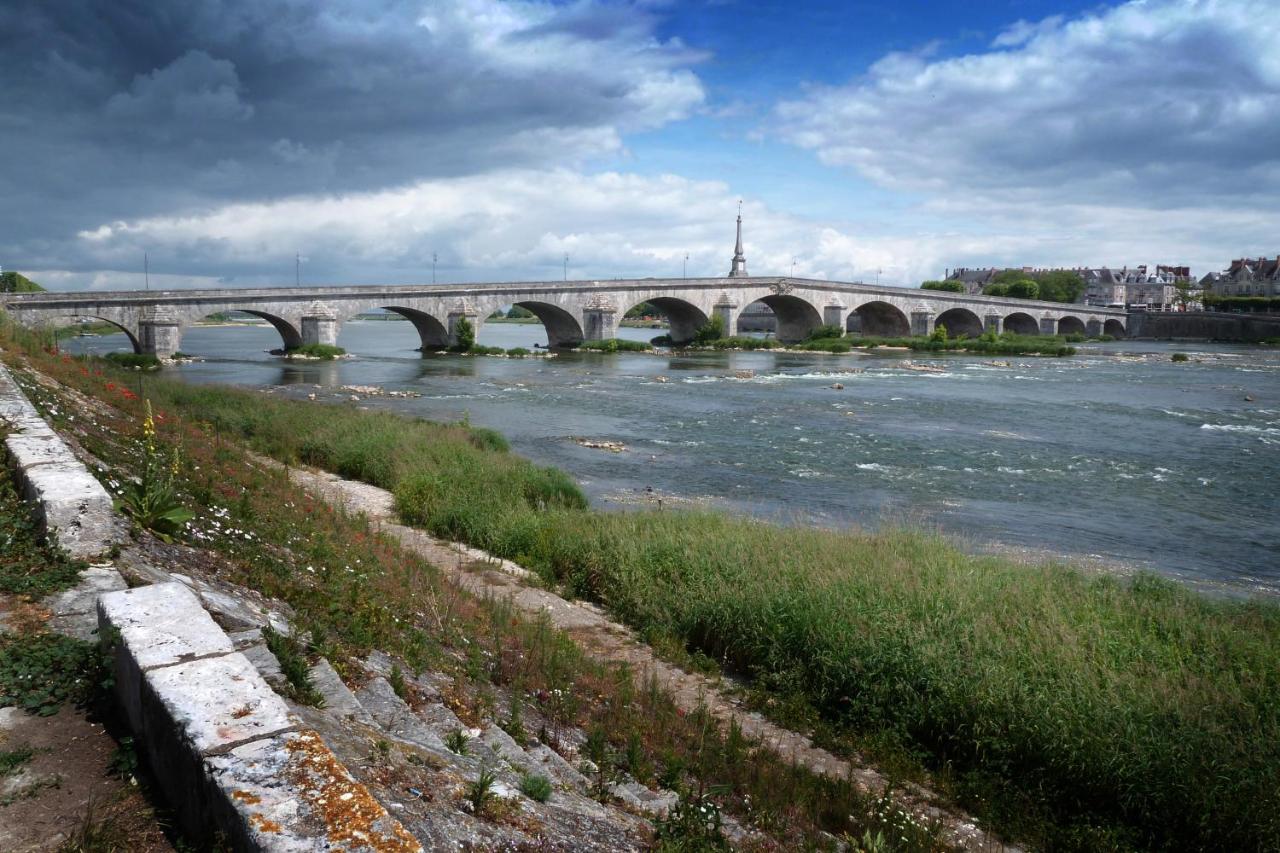
Blois [a] (pronounced/blwa/) is a French city, the capital of the department of Lair and Cher, in the region of Central-Valle del Loira, located on the banks of the Loira River between the cities of Orleans and Tours. The municipality of Blois has a population of 47 854 inhabitants (Insee 2007). Blois Castle is a Renaissance palace built by King Louis XII. To the west of the city is the Russy forest, an example of the old forests that at an era covered the area.
The population of Blois has an old origin. It is mentioned for the first time in the seventh century by Gregorio de Tours but did not acquire importance until the ninth century when it became headquarters of the Blois County. In 1196 Count Luis granted privileges to local vassals founding a population that survived without large variations throughout the Middle Ages. The oldest part of the palace was built in the thirteenth century. In 1429 Juana de Arco made Blois the basis of operations of her for the battle of Orleans. Carlos de Valois, Duke of Orleans, made Blois the residence of his after his release from captivity imposed by the English. In the palace he was born, in 1462, the son who would become king of France, with the name of Louis XII. The Blois treaty, which ended wars with Italy, was signed in that palace in 1504-1505. At the end of the 16th century, Blois was often the headquarters of the French court.
In 1512 another treaty was signed in this city by which the French monarchy promised to try the reconquest of the kingdom of Navarra if it fell into Castilian hands. Among the population of the city were numerous Calvinists and was the scene of a religious conflict between them and the Catholic Church between 1562 and 1567. From 1576 to 1588 King Henry III of France chose Blois as the headquarters of the general states. In 1588 he ordered the murders of the Duke of Guisa, Enrique, and his brother Luis, Archbishop of Reims and Cardinal, who were executed in the palace itself on December 23 and 24 of that year. These murders soon followed the death of Queen Mother Catalina de Médicis, who also occurred in Blois, of pleurisy.